
 Facebook
 X
X
 Pinterest
 Copy Link
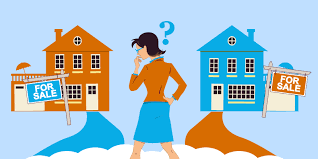

Buying a home in 2026 isn’t just about what a lender says you can afford—it’s about what actually fits your financial life without stretching you thin. With changing interest rates, home prices, and cost of living, getting this number right matters more than ever.
Let’s break it down in a practical, real-world way so you can confidently set your homebuying budget.
Start With the 28/36 Rule (But Don’t Treat It as Gospel)
A common guideline lenders use is the 28/36 rule:
- Spend no more than 28% of your gross monthly income on housing
- Spend no more than 36% on total debt (including car loans, credit cards, etc.)
Example:
If you make $6,000/month (before taxes):
- Max housing = ~$1,680/month
- Max total debt = ~$2,160/month
This gives you a baseline—but it doesn’t account for your lifestyle, goals, or risk tolerance.
Factor in What “Monthly Housing Cost” Really Means
Your mortgage payment is just one piece. In 2026, affordability means accounting for the full picture:
- Principal + Interest
- Property taxes (often rising in many areas)
- Homeowners insurance
- HOA fees (if applicable)
- Maintenance & repairs (budget ~1–2% of home value annually)
A $2,000 mortgage can easily become a $2,600+ monthly obligation once everything is included.
Interest Rates Matter More Than Price
Even small rate changes dramatically impact affordability.
For example:
- At 5.5%, a $350,000 loan ≈ $1,987/month
- At 7%, that same loan ≈ $2,329/month
That’s hundreds more per month—without buying a more expensive home.
👉 In 2026, many buyers are adjusting budgets based on rates, not just home prices.

Your Down Payment Changes Everything
The more you put down:
- The lower your monthly payment
- The less interest you pay long-term
- The better your chances of avoiding PMI (Private Mortgage Insurance)
Typical ranges in 2026:
- 3–5%: Common for first-time buyers
- 10–15%: More competitive offers
- 20%+: Avoid PMI and reduce monthly costs
But don’t drain your savings—leave room for emergencies.
Account for Upfront Costs
Before you even move in, you’ll need cash for:
- Down payment
- Closing costs (2–5% of purchase price)
- Moving expenses
- Initial repairs or upgrades
Example:
On a $400,000 home, you might need:
- $20,000–$80,000 down
- $8,000–$20,000 closing costs
That’s a significant upfront investment—plan ahead.
Use a Reverse Budget Approach
Instead of asking, “What home price can I qualify for?”
Ask: “What monthly payment feels safe?”
Then work backward:
- Choose a comfortable monthly payment
- Subtract taxes, insurance, and fees
- Estimate your loan amount based on current rates
This approach keeps you in control—not the lender.
2026 Market Reality Check
In today’s market:
- Home prices remain elevated in many regions
- Interest rates fluctuate more than in the past decade
- Inventory can still be tight in desirable areas
That means affordability is often about flexibility:
- Expanding your location search
- Considering smaller homes or fixer-uppers
- Timing your purchase strategically
A Simple Affordability Snapshot
Here’s a rough guide based on income:
| Annual Income | Comfortable Home Price Range* |
| $60,000 | $180,000 – $250,000 |
| $80,000 | $250,000 – $325,000 |
| $100,000 | $300,000 – $400,000 |
| $150,000 | $450,000 – $600,000 |
*Assumes moderate debt, average rates, and ~10–20% down.

The Bottom Line
In 2026, the question isn’t just “How much house can I afford?”—it’s:
“How much house can I afford while still living the life I want?”
The smartest buyers:
- Stay below their max approval
- Plan for unexpected costs
- Think long-term, not just monthly payments
